







Search Results for: Coffee Discounts
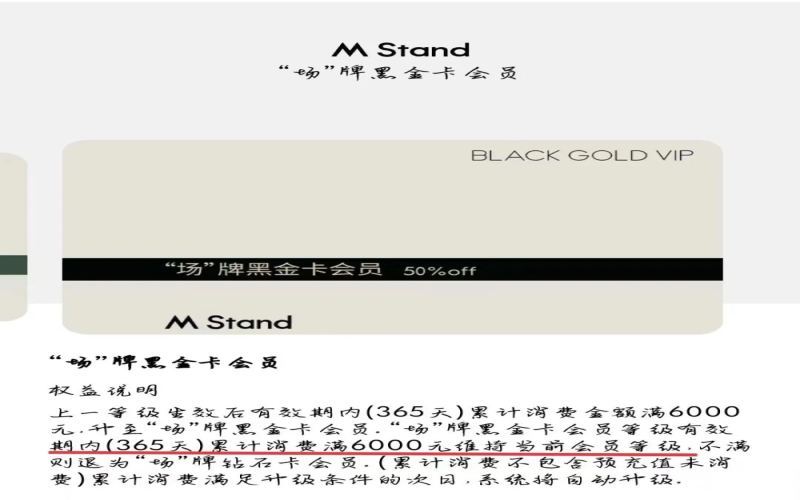
Mstand black gold membership requires an annual spend of 6,000 yuan to retain status, yet scalpers who place orders on behalf of others enjoy a 1.5 discount, sparking dissatisfaction among members.
Chain coffee brands often attract loyal customers with membership discounts, and Mstand's black gold card 50% off benefit was once a reason for many consumers to keep spending. However, some members have discovered that to maintain their status, they need to accumulate spending of 6,000 yuan within a year, which translates to buying 316 discounted drinks to meet the threshold, while scalpers offering proxy orders on second-hand platforms can provide discounts as low as 15% off, and they have not been banned. What confuses members even more is that when they helped friends place proxy orders, they were banned by the system. When official membership discounts are far inferior to scalper prices, the appeal of the membership system is being tested. If the brand tacitly allows proxy orders to exist, will it lose more loyal users? [more…]
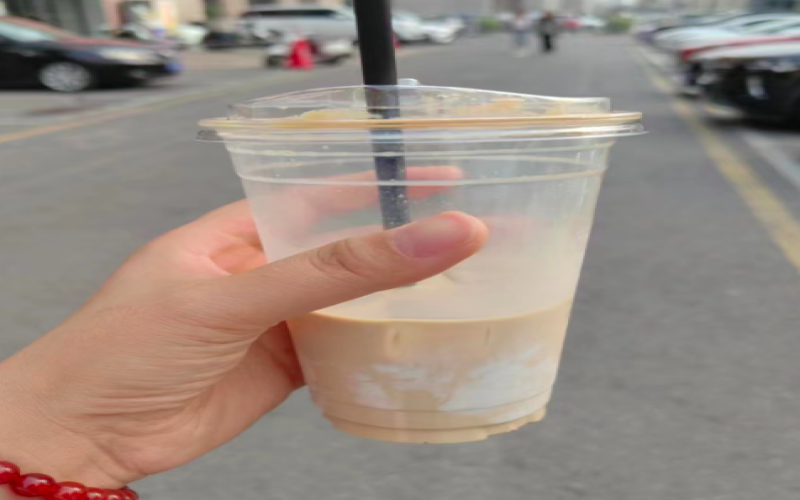
Can Bring-Your-Own-Cup Discounts Really Attract Consumers? Exploring Why Coffee Lovers Still Prefer Disposable Cups
Bringing your own cup to buy drinks at coffee shops has become an eco-friendly habit for some consumers, and chain brands such as Starbucks and Manner have long offered BYO cup discounts to encourage reducing single-use cup usage. However, in reality, it seems that not many people truly stick to bringing their own cups, and the tables in coffee shops are still dominated by takeaway cups. Why are consumers not buying into BYO cup discounts? Some value saving money but give up because the discounts cannot be stacked; some pursue efficiency and feel that bringing their own cup actually wastes time; others encounter troubles such as capacity mismatch, forgetting to bring the cup, or the cup having an odor. Although bringing your own cup causes many inconveniences, for long-term coffee drinkers, the money saved can buy a few more cups, and some even pass off disposable cups as their own, leaving baristas not knowing whether to laugh or cry. Front Street Coffee reminds us that the environmental friendliness and cost savings of bringing your own cup still need to find a balance with convenience. [more…]
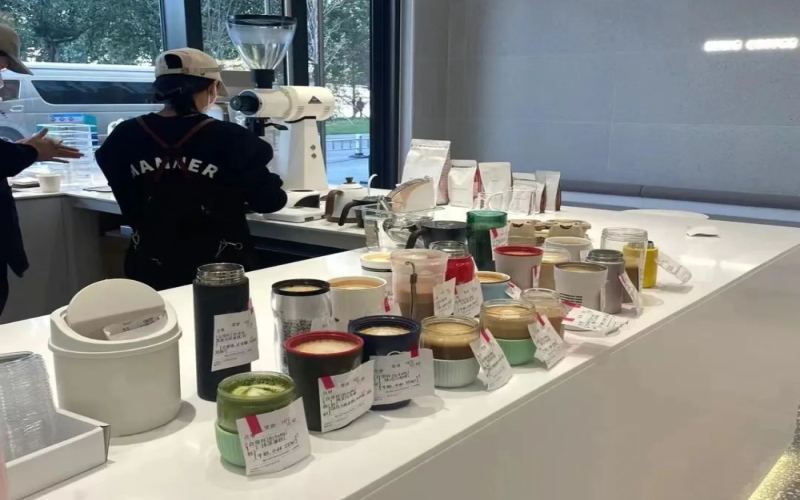
Bring-Your-Own-Cup Coffee Fun Facts: From Eco-Friendly Discounts to Bizarre Containers, Baristas Stay Calm Through Every Trick
Today, a daily cup of coffee has become a routine for many people. At the same time, more and more brick-and-mortar cafés are offering discounts to customers who bring their own cups, encouraging them to get their coffee in non-disposable cups. For consumers, bringing their own cup is both eco-friendly and saves a few bucks; for businesses, using a small discount to attract these customers can also boost repeat purchases—a win-win. Manner started offering a 5-yuan discount for bring-your-own-cup back in 2015, and Starbucks also holds a limited-time free coffee event for customers with their own cups every Earth Day. On Xiaohongshu, users have gotten even more creative, showing up with goblets, rice bowls, gourd ladles, thermoses, and even empty liquor bottles, putting on a quirky bring-your-own-cup contest. Faced with these bizarre containers, professional baristas still calmly serve the drinks. This article takes you through these amusing scenes and also discusses the environmental significance behind bringing your own cup. [more…]
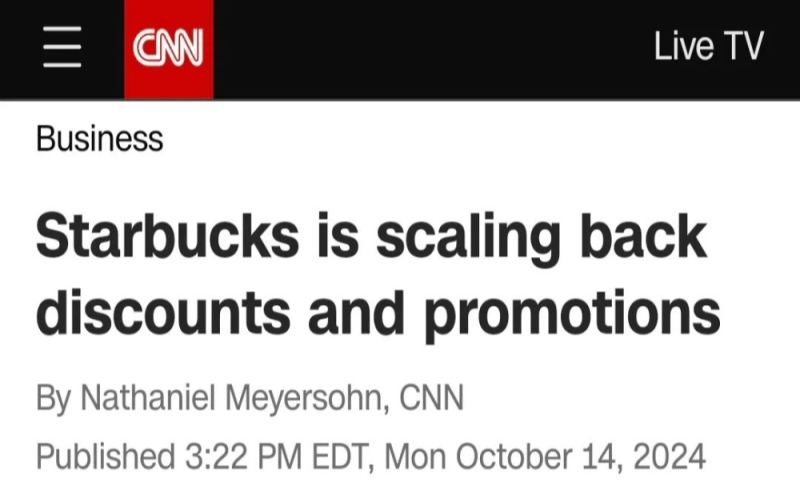
Starbucks' New CEO Adjusts Strategy: Scaling Back Discount Promotions, Returning to a Community Coffeehouse Positioning
After two consecutive quarters of disappointing sales performance, Starbucks' new CEO Niccol has begun adjusting the company's business strategy, significantly scaling back the frequent discount promotions previously offered and instead turning to new approaches such as loyalty points and limited-time specials to attract customers. This move aims to reverse the sales decline while reshaping Starbucks' brand positioning as a "community coffeehouse." However, reducing discounts may also push some consumers toward more cost-effective alternatives. This article will examine the background of Starbucks' strategic adjustment, the specific measures involved, and the potential impact they may bring. [more…]

Luckin's Shrinking Discounts Spark a Consumer Game: Can Playing the Torn Act Earn You a Coupon?
Luckin Coffee has gone from its early days of frenzied subsidies to a noticeably reduced level of discounting today, with the price of a single drink generally climbing back into the 15 to 25 yuan range, and some consumers even feeling they are being price-gouged. As its reputation for value for money gradually fades, some netizens have figured out a method of "performative ordering"—repeatedly wavering in the mini-program and ultimately abandoning the purchase, in an attempt to trigger Luckin's retention mechanism and obtain coupons. Does this tactic actually work? And what user behavior analysis logic lies behind it? This article will lay out the full picture of this phenomenon, while also reminding consumers: even when hunting for bargains, one must uphold the bottom line of honesty. [more…]
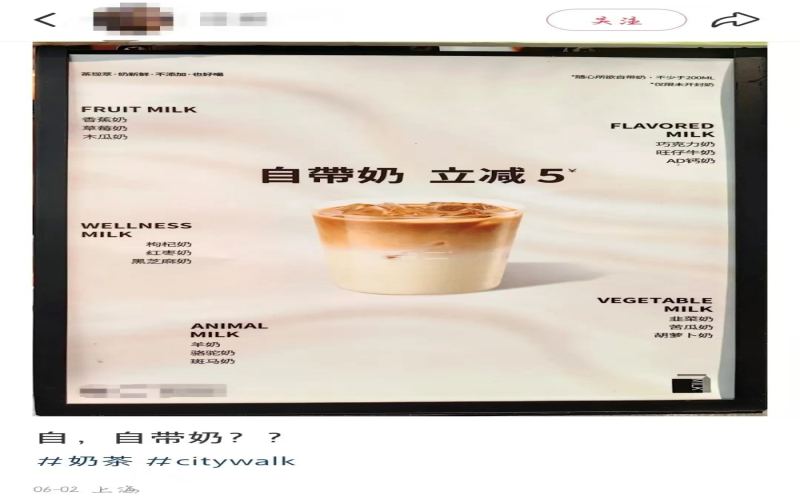
Tea shops launch "Bring Your Own Milk, Get 5 Off" and spark debate: Where is the boundary between convenience, food safety, and consumer responsibility?
Bringing your own cup to buy coffee is nothing new, but have you ever heard of "bringing your own milk"? A certain tea beverage brand launched a "bring your own milk, get 5 off" campaign, where customers bring their own dairy products and the store provides freshly brewed tea, sparking heated discussion among netizens. Supporters believe this is friendly to people with lactose intolerance and can also avoid additives like non-dairy creamer; opponents worry that food safety responsibilities are difficult to clarify. This article sorts out the views of all parties and compares the bring-your-own-cup rules of brands such as Starbucks and Manner, exploring how merchants should weigh the trade-off between offering discounts and risk control. [more…]
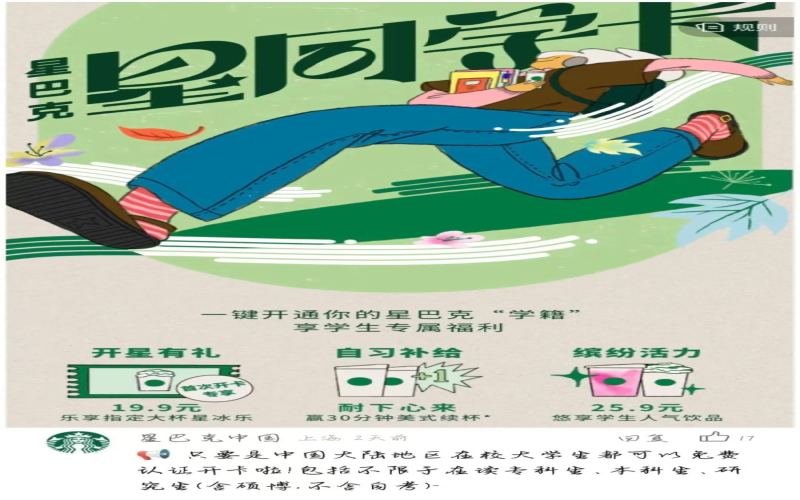
Starbucks launches a university student–exclusive "Star Student Card," free to open but offering only one refill coupon per month, sparking heated debate.
Starbucks recently launched the "Star Student Card" for domestic college students, offering free card activation upon identity verification. Students who spend at least 30 yuan in a single in-store purchase can receive a free coupon for a medium Americano valid for 3 hours, 30 minutes later, along with drink discounts. However, there are quite a few restrictions in the fine print: only one free refill coupon per month, and it must be used within 3 hours by drinking two cups consecutively. Additionally, with Starbucks covering only 15.53% of areas around universities, and affordable brands like Luckin, Cotti, Lucky Cup, and Manner being more cost-effective, whether this student card can truly retain student customers remains to be seen. Front Street Coffee is also continuously monitoring this development. [more…]
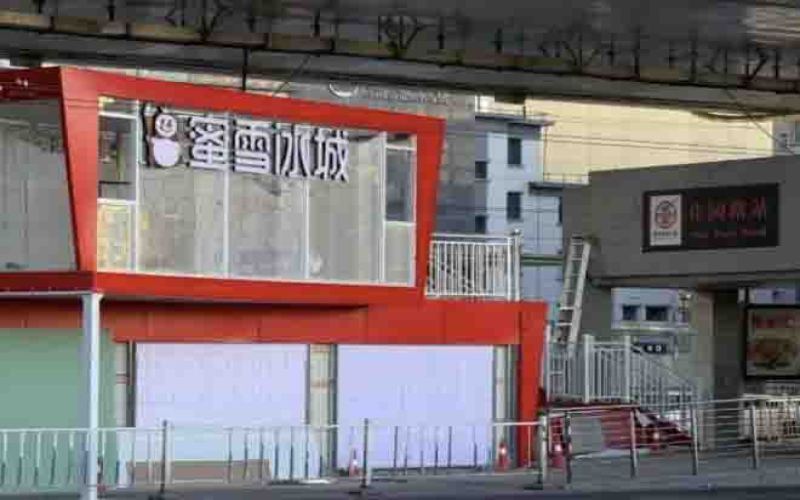
Zhengzhou BRT stations introduce Mixue Bingcheng outlets, sparking concerns over planning permit disputes and occupation of tactile paving
Zhengzhou Bus Group has teamed up with Mixue Bingcheng to open a store inside a bus rapid transit station, with the first pilot located on the west side of the intersection of Huayuan Road and Nongye Road. This attempt is seen as an extension of bus services, allowing passengers to buy drinks while waiting for their bus and even enjoy discounts with their ride records. However, the store's construction is alleged to have proceeded without a construction land planning permit. The Jinshui District Urban Comprehensive Law Enforcement Bureau posted a notice to deliver enforcement documents, but no one signed for them, leaving the procedure at an impasse. Meanwhile, netizens have questioned whether the store occupies the sidewalk and tactile paving, potentially affecting passage. Zhengzhou Bus responded that the station passage is wide enough and promised to make dynamic adjustments. The incident has sparked discussion about the boundaries of commercial development in public spaces and provides a new case of cross-industry collaboration for the coffee and tea beverage industry. [more…]
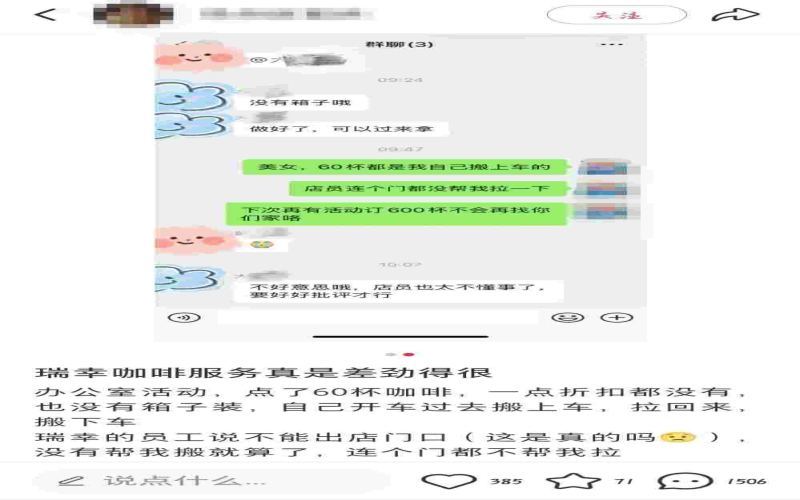
Luckin's 60-cup group buy had no discount and no help with carrying, so why did netizens actually support the staff?
A post about a Luckin Coffee service experience recently sparked discussion on social media. The poster said that while organizing an office event, they ordered 60 drinks from a local Luckin store. When picking up the order, they found the coffee had not been packed into boxes and had to carry it to the car bag by bag, while the staff did not offer help on the grounds that they could not leave the store entrance. The customer also complained that the entire order had no discount and said that even if they ordered 600 cups next time, they would not choose this store again. However, most netizens sided with the staff, arguing that chain coffee stores do not normally offer group-meal discounts, and that Luckin has strict requirements for food safety and operating procedures, making it difficult for employees to leave their posts to help with carrying during peak hours. [more…]

Luckin Coffee's in-store proxy ordering prices spark controversy, with mini-program login process questioned for excessive collection of user information
Recently, Luckin Coffee has once again become the focus of heated discussion. An investigative reporter's on-site tests revealed that some stores do not offer direct offline ordering service; customers can only place orders by scanning a QR code via the mini-program or app, and when staff place orders on their behalf, payment must be made at the original price, which differs by several yuan from the discounted price after using coupons online. Meanwhile, the reporter also noticed that Luckin's mini-program requires users to provide their phone number and other information during the login process, and its privacy policy mentions the possible collection of browsing history, app installation lists, and other content, raising doubts about excessive information collection. In response, Luckin customer service explained that the discount calculation in the ordering system is complex, and staff-assisted orders may result in price discrepancies, while many consumers expressed understanding, believing that ordering on-site means giving up online discounts. This article will provide a detailed review of the incident and the views of all parties involved. [more…]

Why Are College Students Flooding Luckin Coffee's Comment Section? Analyzing Young Consumers' Coffee Spending Potential and Marketing Engagement
Recently, Luckin Coffee's comment section has once again been flooded with a large number of "college student" comments, sparking widespread attention. Behind this phenomenon, it reflects both college students' strong demand for coffee discounts and Luckin's influence among young consumer groups. This article will start with the comment section phenomenon, analyze the characteristics of college students' coffee consumption power, and explore how Luckin captures this massive market through social interaction and marketing strategies, while retaining relevant recommendation information for the "Front Street" brand. [more…]
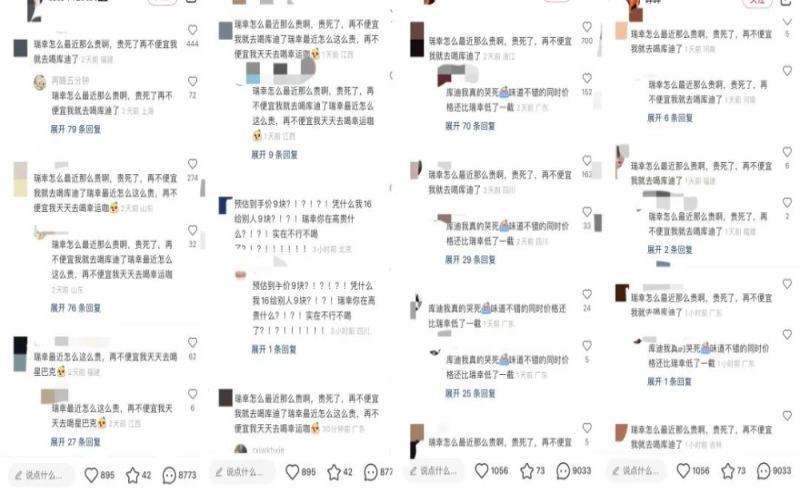
Fewer Luckin Coupons Spark Debate as Livestreaming Becomes the New Marketing Battleground
Recently, many consumers have noticed that Luckin Coffee's discounts have significantly weakened, with prices often reaching ten to twenty yuan, leaving netizens accustomed to low-priced coffee feeling dissatisfied. As a result, a collective "PUA" trend against Luckin has emerged on social platforms, attempting to pressure the system into issuing coupons through complaints and threats to switch to Cotti. However, the effectiveness of this approach is questionable. In fact, Luckin's marketing focus has quietly shifted to livestreaming, replacing the traditional direct coupon distribution model with high-frequency live interactions and precise user outreach. This article reviews the course of events, netizen reactions, and underlying reasons, and explores why livestream marketing has become a new favorite for brands. Additionally, at the end of the article, there is relevant information about Front Street Coffee for coffee enthusiasts' reference. [more…]
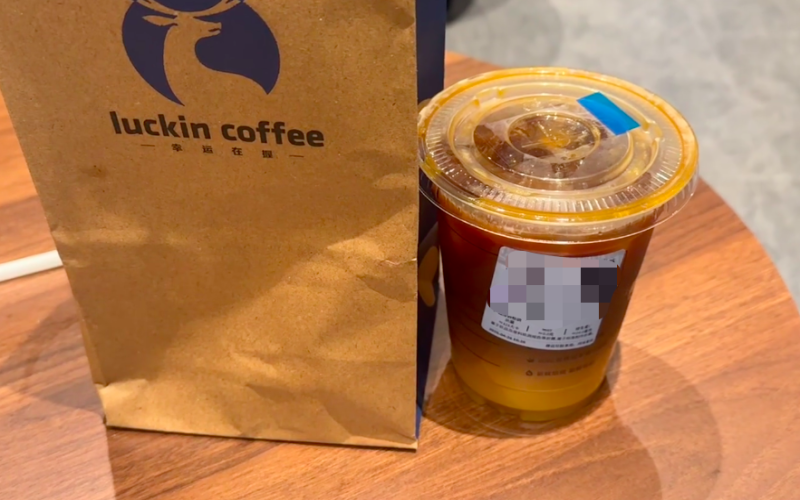
Same Cup of Coffee Costs Members More? Luckin Mini Program Accused of Differential Pricing Sparks Heated Debate
At the same Luckin Coffee store, for the same drink, different users may see prices on the mini-program that differ by several yuan—and paid members may even be charged more than regular users. Recently, some consumers told the media that they suspected they had been subjected to "big data price discrimination" when buying drinks at Luckin. A reporter's investigation found that the system pushes different coupons to different accounts, resulting in "a different price for the same cup of coffee for each person." This phenomenon has struck a chord with many netizens and sparked widespread complaints, prompting people to re-examine the value of loyalty programs offered by chain coffee brands. [more…]
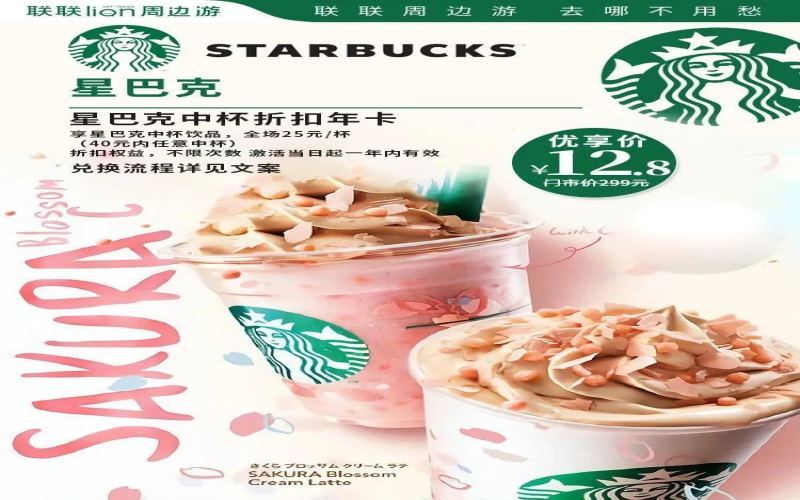
Starbucks' 12.8 yuan discount annual card launches — how much does a cup of coffee actually cost?
Starbucks has recently launched a 12.8 yuan discount annual card, allowing customers to enjoy medium-sized drinks for as low as 25 yuan, sparking speculation about a coffee price war. In fact, since 2021, Starbucks has been successively offering discounted annual benefit cards for 9.9 yuan on major lifestyle service platforms, with various discount forms, including 20% off and a flat rate of 25.9 yuan. In addition to annual cards, Starbucks is also quietly distributing coupons in livestreams. Why not simply lower prices? Because coupons can continuously stimulate consumption, attract consumers from different sectors, and pave the way for expansion into lower-tier markets. This strategy both maintains the brand image and makes Starbucks appear more approachable. Although domestic chain coffee brands are increasing, Starbucks still attracts many consumers with its social spaces and brand style. This article was compiled by Front Street Coffee (FrontStreet Coffee), bringing you insights into Starbucks' pricing strategy and market trends. [more…]
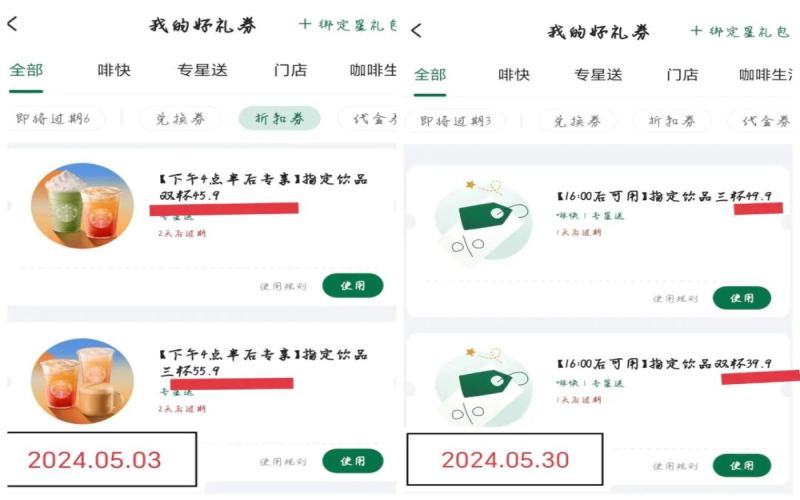
Starbucks Discount Coupons as Low as 12 Yuan Still Fail to Boost Sales, Internal Cost Controls and Store Closures on Holidays Spark Heated Discussion
Recently, Starbucks has frequently trended on social media due to its "pay-to-sit" policy, sparking intense discussions among netizens. At the same time, Starbucks has been continuously active in distributing coupons and offering discounts in live-streaming rooms, with the price of a single beverage even dropping below 20 yuan, in sharp contrast to its earlier stance of "having no intention of participating in a price war." To balance revenue and expenditure, Starbucks is also controlling labor costs internally, with some office-building stores choosing to close and suspend operations on holidays. Although the brand has pulled out all the stops to attract customers, consumers' complaints that it is "overpriced and bad-tasting" remain undiminished. Front Street Coffee has observed that in China's increasingly cutthroat coffee market, it is becoming harder and harder for Starbucks to maintain its high posture. [more…]
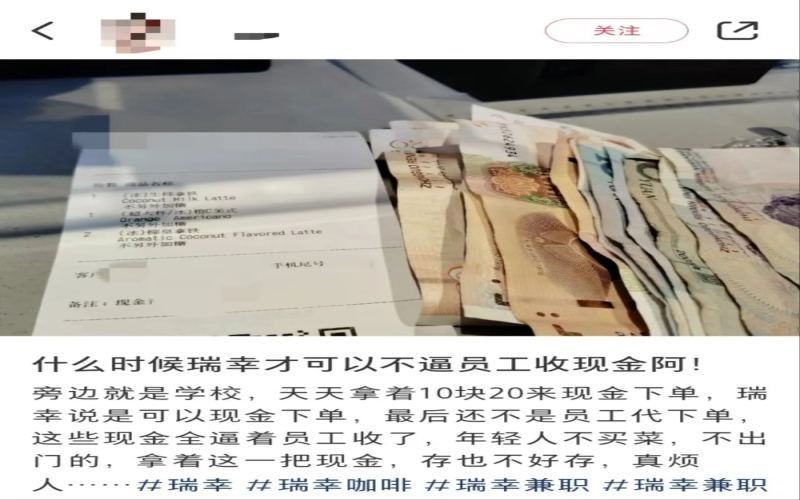
Luckin Coffee Store Cash Payment Predicament: Employees Forced to Collect Payment and Place Orders on Customers' Behalf, Lack of Cashier Equipment Causes Multiple Troubles
Recently, a post about Luckin Coffee employees being forced to accept cash sparked heated discussion on social media. Because Luckin stores are not equipped with cash register systems or equipment, employees can only accept cash from customers first, then use their own phones to scan codes and place orders on their behalf. This practice not only leaves employees with large amounts of loose change that are difficult to handle, but also brings a series of problems such as difficulty making change, the risk of accidentally accepting counterfeit bills, and customers being unable to enjoy online discounts. Especially when stores are overwhelmed with orders and short-staffed, cash orders become an even heavier burden for employees. Although mobile payment has become mainstream, some consumers still rely on cash, and whether brands should improve their cash register facilities has become a focal point of concern for both employees and customers. [more…]
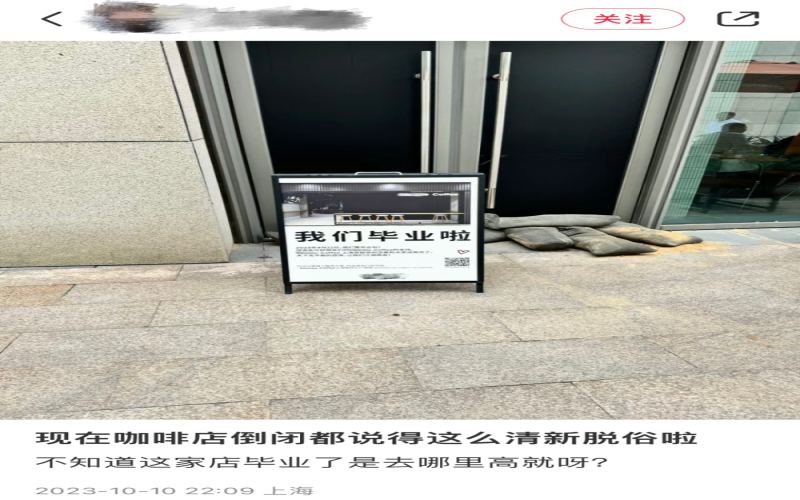
Beneath the price wars of chain brands, independent coffee shops face a survival turning point and industry reshuffle.
When major chain coffee brands launched an all-out price war, independent coffee shops were pushed to the brink of survival. Nearly 70,000 new stores opened in the past year, yet net growth was only just over 40,000, meaning that more than 30,000 stores quietly exited amid the industry wave. From closing notices saying "We've graduated" to store owners each seeking their own way out—transferring their shops to cut losses, offering discounts, building differentiation, or even leaving the coffee industry altogether—the survival plight of independent coffee shops can no longer be avoided. An imbalance between supply and demand, consumers' growing preference for standardized chain brands, and cutthroat price competition—these factors together form the real picture of today's coffee market. This article examines the many faces of independent coffee shops under siege by chain brands and explores the logic behind the industry reshuffle and the way forward. [more…]
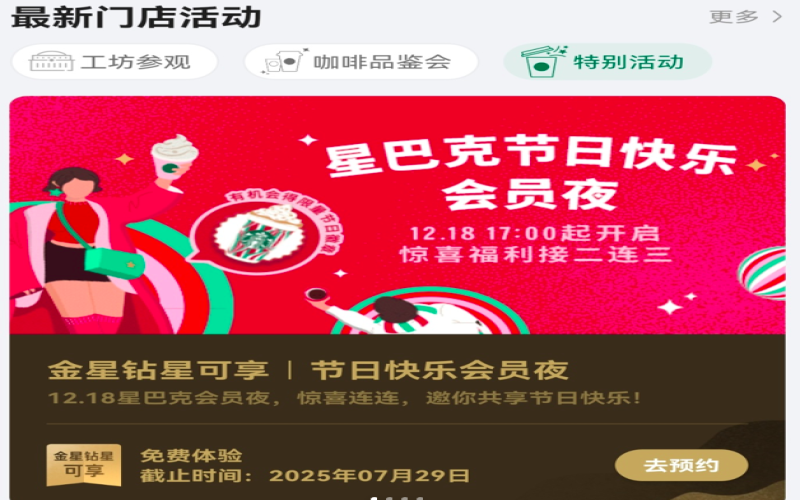
Starbucks member night events offer uneven experiences, with Gold and Diamond users complaining about big gaps in store execution.
Starbucks recently launched a Happy Holiday Member Night event for Gold and Diamond members, allowing eligible users to book free in-store participation through the official App. However, after the event ended, a large number of feedback posts appeared on social platforms, with many members calling the experience extremely poor: the new product tasting consisted of only one mini drink, limited-edition badges were in short supply, the coffee lecture and interactive games were simply canceled, and there were no discounts on merchandise purchases either. Some participants also pointed out that the quality of the event varied by store, and stores that attached greater importance to it still delivered a decent holiday experience. Starbucks employees, meanwhile, revealed that rushed preparation, insufficient bookings, and last-minute situations could all dilute the effectiveness of the event. Why did this member event receive such polarized reviews? This article will sort through feedback from all sides and the reasons behind it. [more…]
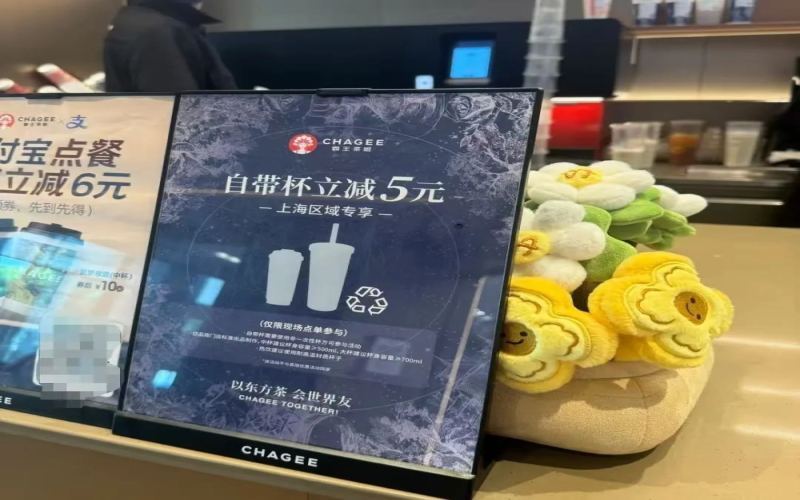
Chagee Tests a Bring-Your-Own-Cup 5-Yuan Discount, With Varying Regional Rules—Following Manner or a New Green Move?
Recently, Chagee launched a "bring your own cup and get 5 yuan off" promotion at some stores, sparking heated discussion among consumers. This discount model has long been common in the coffee industry, especially since Manner has offered a 5 yuan discount for bringing your own cup for many years, leading many to speculate whether Chagee is imitating Manner. However, this promotion is not uniform nationwide, but limited to regions such as Beijing, Shanghai, Sichuan, and Liaoning, and the rules vary from place to place. Some consumers have noticed that when preparing drinks, staff still use a paper cup first before pouring into the customer's own cup, which has been questioned as contradicting the original environmental purpose. Meanwhile, amid the fierce subsidy battle in food delivery, the value of the bring-your-own-cup discount is also being tested in terms of cost-effectiveness. This article sorts out the details of the promotion and various viewpoints, and mentions related recommendations from Front Street Coffee. [more…]
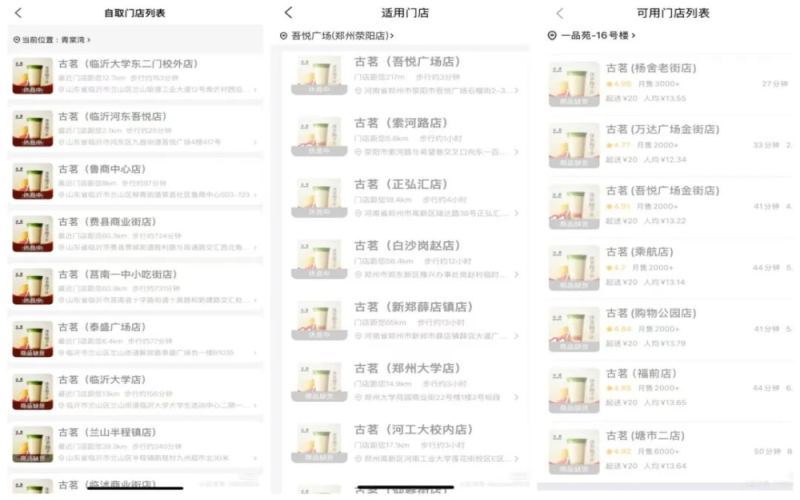
Delivery platform's "buy for 0 yuan" promotion caused abnormal online status at Guming stores, sparking controversy as consumers struggle to redeem coupons
A new round of subsidy battles on delivery platforms has once again ignited the tea beverage market, with Meituan handing out large numbers of tea drink vouchers, while Ele.me and Taobao Flash Sale fight back with hefty discounts. However, after claiming the vouchers, many consumers found that Goodme stores in Shenzhen, Xi'an, Chengdu, Nanning, and other places showed as "resting/closed" or out of stock on third-party platforms, making it impossible to redeem normally. Interestingly, the same stores were still open on the official mini-program, and products included in the promotion, such as lemonade, could still be ordered. The contradiction between stores actually being overwhelmed with orders and appearing "closed" online has led many to speculate that this is a measure taken by the brand to ease order pressure. Consumers have expressed dissatisfaction over the chaotic promotion, orders being automatically canceled, and no stock upon arrival at stores. Front Street Coffee continues to follow industry developments and brings in-depth observations. [more…]